
Summary
Understanding the difference between a nursing home vs. senior living community helps families choose the right care setting for their loved one's needs and preferences. While nursing homes focus on intensive medical care, senior living communities emphasize independence, privacy, and quality of life.
- Nursing homes provide 24-hour medical supervision and rehabilitation services for people with complex health needs, while senior living communities support those who need help with daily tasks but don't require constant medical oversight
- Senior living apartments offer privacy, personal belongings, and familiar furnishings—creating a residential feel rather than a clinical environment
- Social engagement is central to senior living, with activities directors planning exercise programs, outings, games, and events that help residents build friendships and pursue interests
- Senior living typically costs less than nursing home care; many communities bundle housing, meals, housekeeping, and services into one monthly fee, often covered by long-term care insurance or veterans' benefits
- Choose senior living when your loved one values independence, social connection, and maintaining control over daily routines while receiving necessary support
Choosing where a parent, spouse, or other loved one will live is rarely a quick decision. Many families start by comparing a nursing home vs. senior living community, only to find the two terms get used almost interchangeably. They shouldn’t be. The difference between a nursing home and assisted living comes down to how much medical attention a person needs each day, and how much of daily life they want to keep shaping for themselves.
Here’s how the two settings compare, so you can match the choice to the person. Both support older adults, but they do it in very different ways.
Senior Living vs. Nursing Home Care: What Each Provides
Nursing homes focus on medical needs. They serve people recovering from surgery, managing chronic health conditions, or needing extensive medical attention every day. Licensed nurses are on site around the clock, and services typically include rehabilitation therapies, wound care, and 24-hour access to licensed medical staff.
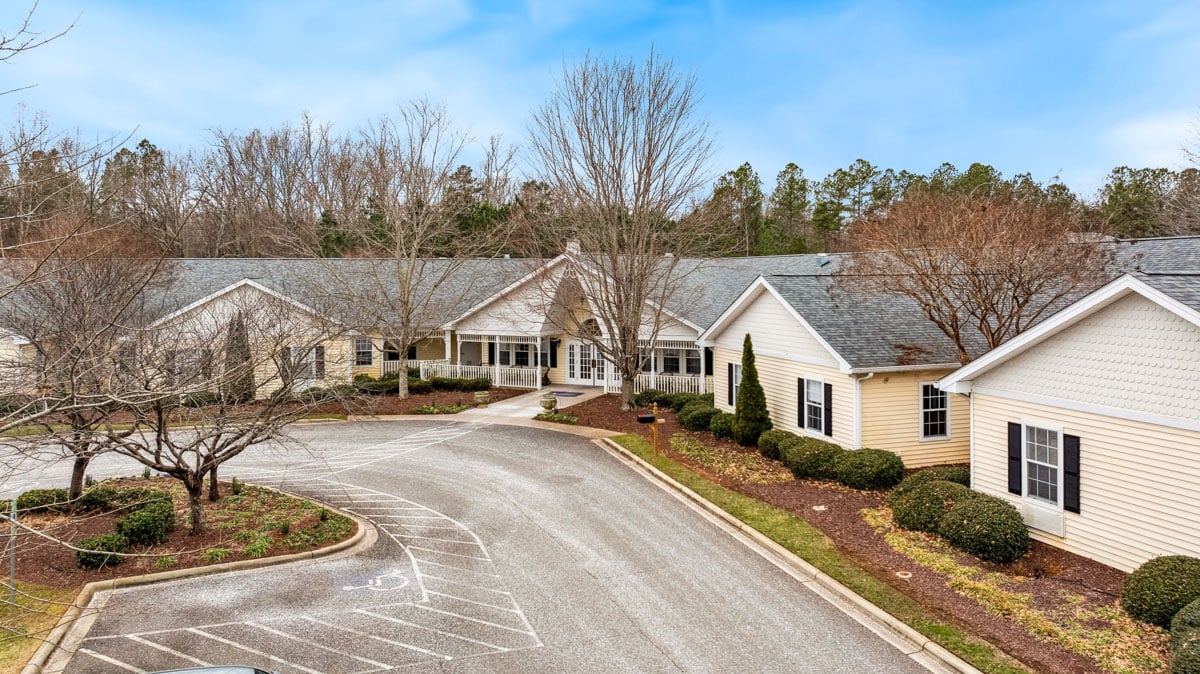
Assisted living takes a different approach. Residents live in private apartments and receive personal help with things like bathing, dressing, and medication management, while the setting stays closer to home than to a hospital. Our Assisted Living community in Lincolnton, NC, is built around that balance, with chef-prepared meals, weekly housekeeping, and scheduled transportation included. The goal is support that fits into the day rather than running it.
Living Environment and Atmosphere
The physical setting is where many families first notice the contrast. Nursing homes often have shared rooms and layouts planned around efficient medical care. Cleanliness and safety come first, as they should, but the space tends to feel more clinical than residential.
Senior living communities put more weight on comfort and privacy. Apartments typically include:
- A private bathroom
- Space for treasured belongings and familiar furniture
- Common areas for visiting, activities, and shared meals
Details like these help residents keep their routines and feel at home, which is often what families hope for most.
Social Engagement and Quality of Life
Daily life in a senior living community leaves plenty of room for connection. At TerraBella Lincolnton, a full-time activities director plans events and outings so residents can pursue interests and build friendships. Residents can choose from:
- Exercise programs
- Themed parties and games
- Educational programs
- Outings to places like museums, botanical gardens, and local theaters
Nursing homes may offer some activities, but their main mission is medical care and recovery, and that focus can leave less room for social life. For families exploring nursing home alternatives for seniors who need help with daily tasks but not constant medical oversight, this difference often settles the question.
Cost Considerations and Payment Options
Looking at the financial side early helps families plan. Nursing homes typically cost more because of the intensive medical services involved. Medicare may cover a short stay after a hospitalization, but long-term stays generally require private payment or Medicaid once assets have been spent down.
Assisted living compared to a nursing home often costs less, though the price depends on location, apartment size, and the level of support needed. Many communities include housing, meals, housekeeping, and basic services in one monthly fee. Medicare typically doesn’t cover assisted living. Families often pay through long-term care insurance, Veterans’ benefits such as Aid & Attendance, reverse mortgages, or private funds.
When to Choose Assisted Living Over a Nursing Home
The right setting depends on the individual. Someone who needs continuous skilled medical supervision, such as a person managing complex health conditions or recovering from major surgery, may need what a nursing home provides. Many older adults, though, need help with daily tasks and still want a say in how they spend their day.
If your loved one enjoys company, can take part in programs, and doesn’t need constant medical intervention, a senior living community may be the better fit. That is usually the point where it makes sense to choose assisted living over a nursing home: help is close by, and the day still feels like theirs. For residents living with Alzheimer’s disease or another form of dementia, our GLOW® Memory Care community offers a dedicated option. Atrium Health Lincoln is also nearby, which gives families added reassurance about medical access.
Finding the Right Fit at TerraBella Lincolnton
Every person’s needs are different, and the right answer usually starts with an honest conversation. Our Assisted Living community offers personalized support in a warm, welcoming setting, and our team is happy to answer your questions along the way. Come see how daily life feels here, and schedule a tour today.