.png?width=1958&height=562&name=TerraBella%20Lincolnton-Horizontal%20(1).png)

Memory care in Lincolnton supports cognitive health through structured daily activities, personalized care, and meaningful social engagement. Senior memory programs also include consistent sleep schedules, smooth transitions, and regular mealtimes to support independence, brain health, and emotional security.
According to the North Carolina Medical Society, about 210,500 residents aged 65 and older in North Carolina are living with Alzheimer's disease. If you're a senior with dementia, living alone may lead to serious risks, including self-neglect, medication mismanagement, and accidents.
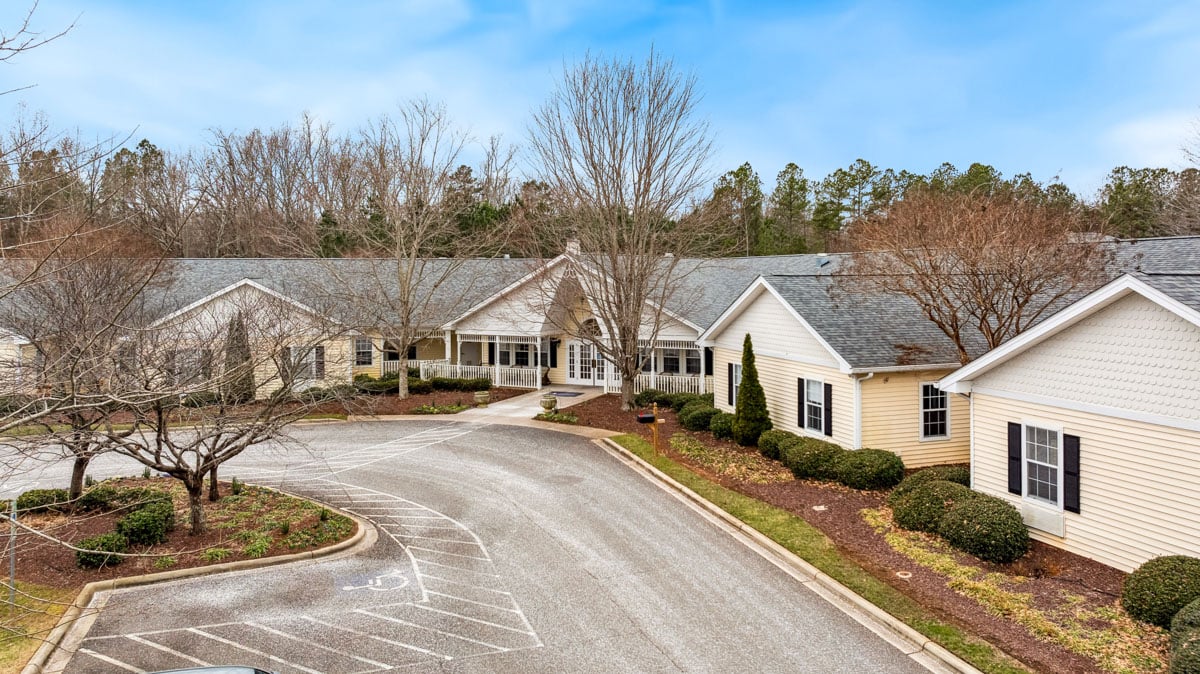
Moving to a reputable community like TerraBella Lincolnton provides compassionate Alzheimer's support and consistent cognitive care routines. Located in Lincolnton, NC, we feature memory-friendly environments that promote emotional stability, mental clarity, and overall well-being.
What Are Cognitive Routines?
Cognitive routines are structured, repeatable mental and behavioral activities meant for older adults with dementia or Alzheimer's disease. They help the brain process information more efficiently and predictably.
These routines provide a sense of stability, familiarity, and emotional safety in an often confusing world. When practiced consistently, cognitive routines can reduce anxiety and support memory recall.
Examples of cognitive care routines for dementia support include:
- Reminiscence therapy
- Storytelling sessions
- Conversation circles
- Morning 'mind-stretch' sessions
Does Family History Increase the Risk of Dementia?
Yes, having a family history of dementia may raise risk, but it does not guarantee the condition will occur. This increased risk is linked to:
- Inherited genes
- Shared health patterns
- Similar lifestyle habits
- Similar environmental exposures
- Inherited brain aging patterns
What Are Signs That Dementia Is Getting Worse?
Recognizing dementia progression allows you to take proactive steps to protect your aging loved one's safety, dignity, and well-being. Early awareness also helps seniors with dementia prepare both emotionally and practically for changes like transitioning to memory care communities.
Key warning signs that dementia is getting worse include:
- Increased confusion
- Increased forgetfulness
- Decline in communication or language skills
- Poor judgment and decision-making
- Changes in mood and behavior
Memory Care in Lincolnton: How Daily Routines Support Cognitive Calm
The environment your loved one lives in can directly influence their emotional stability, safety, and overall quality of life. That's why families seeking dementia care in Lincolnton, NC, should look for communities that emphasize consistent routines and personalized memory support.
Personalized Care
Daily routines tailored to each resident's preferences and abilities foster familiarity and emotional safety. When seniors feel emotionally safe and familiar with their surroundings, it creates a sense of 'cognitive calm,' which lowers anxiety and behavioral distress while supporting independence.
Personalized routines often incorporate habits tied to a resident's history, including music preferences or cultural traditions. These familiar cues can spark recognition, reinforce identity, and support long-term memory recall.
In memory care programs, caregivers provide customized assistance with everyday tasks like:
- Medication management
- Personal hygiene and grooming
- Nutrition monitoring
- Mobility
Structured Daily Activities
Structured daily activities in senior living communities help stimulate memory and mental engagement. They help residents know what to expect, even when memory is impaired. This predictability lowers confusion and fear, creating a sense of safety and emotional calm.
A balanced daily schedule, including movement and adequate rest, also helps regulate sleep patterns and energy levels. Better physical rhythms lead to calmer behavior and improved nighttime rest.
Structured daily activities that can support cognitive calm include:
- Music and rhythm sessions
- Arts and creative workshops
- Light physical activities
- Group games and puzzles
Meaningful Social Connections
Consistent, friendly connections in communities like TerraBella Lincolnton help residents feel safe and supported. Recognizable faces and routine conversations ease stress and agitation by strengthening feelings of belonging.
Meaningful connections also allow residents to express feelings, stories, and emotions. Being heard and acknowledged boosts self-worth and improves mood, directly supporting cognitive calm.
Regular social engagement also prevents feelings of isolation, which are linked to faster cognitive decline. A sense of connection encourages positivity and emotional stability, leading to a calmer mind.
Regular Mealtimes
Regular meals provide a consistent structure and stability each day. When older adults know what to expect, they feel more grounded and secure in their environment.
Repeating mealtime routines reinforces familiarity and promotes cognitive calm through predictable patterns. Shared meals encourage social interaction and engagement, which boosts emotional well-being and helps residents feel connected rather than isolated.
Frequently Asked Questions
How Can Dementia Patients Be Monitored at Home?
Monitoring dementia at home helps detect changes early, prevent emergencies, and preserve a senior's independence. Without proper monitoring, issues like missed medications or wandering can quickly escalate into serious risks.
Smart home monitoring devices can alert caregivers if a senior with dementia wanders, falls, or enters unsafe areas. Families can monitor their loved ones' activity patterns non-intrusively using door alarms and motion sensors.
How Do Hydration and Snack Routines Support Cognitive Calm?
Staying hydrated throughout the day supports brain energy, helping improve focus, attention, and mental clarity. Scheduled snacks and regular hydration help stabilize energy levels, reducing emotional fluctuations and promoting a calmer state of mind.
Hunger, thirst, headaches, or weakness can show up as agitation or confusion in seniors with dementia. This makes consistent hydration and planned snacks key to maintaining comfort and preventing dementia symptoms.
What Training Do Memory Care Staff Receive?
Memory care staff receive specialized training to support older adults living with dementia with compassion and skill. This training typically includes:
- Understanding cognitive conditions
- Recognizing behavioral changes
- Learning effective communication techniques
- Preventing falls
- Responding to emergencies
With specialized training, memory care staff can reduce residents' confusion, anxiety, and safety risks like falls and injuries. Ongoing memory care training keeps staff current on best practices and evolving care standards.
Memory Care in Lincolnton: Helping Residents Age Gracefully
Memory care in Lincolnton creates an environment where residents with dementia feel secure, supported, and valued. By combining predictability with personalized care, memory care teams help residents navigate each day with confidence and dignity.
At TerraBella Lincolnton, we provide a warm and supportive environment centered on dignity, comfort, and personalized care. Our inclusive amenities and services, such as a craft room, beautiful outdoor spaces, healthy meals, and housekeeping, support residents' engagement and cognitive calm.
Residents also enjoy our exclusive programs, including a welcoming front desk and a full calendar of events and activities. Contact us today to learn how we support seniors with dementia.