
Summary
Aging in place modifications cost ranges from hundreds to tens of thousands of dollars depending on scope, but the full picture includes maintenance, utilities, and hired help. Understanding both upfront and hidden expenses helps families decide whether home renovations or assisted living better fits their loved one's needs and budget.
- Bathroom updates, stairlifts, accessible bedrooms, and entryway improvements are common modifications with costs varying by project scope.
- Recurring expenses like equipment servicing, property taxes, utilities, and hired assistance add significantly to initial renovation costs over time.
- Even modified homes cannot address all safety concerns or provide social connection opportunities that community living may offer.
- Assisted living typically bundles meals, housekeeping, transportation, and personal assistance into monthly fees, simplifying service coordination compared to managing multiple providers.
- Review actual contractor estimates and community pricing rather than national averages to compare realistic long-term affordability.
The home your loved one has lived in for decades may hold countless memories, but stairs, narrow doorways, and slippery bathrooms can become harder to manage with age.
For families in Lincolnton, North Carolina, deciding whether to invest in senior home safety modifications or explore assisted living involves more than renovation expenses. Comparing renovation costs, ongoing support needs, and lifestyle preferences can help families decide whether aging in place or assisted living makes more sense.
Understanding Home Modification Expenses
Some home improvements are relatively simple, while others require extensive construction. The cost renovations for aging in place depends on the home's layout, existing conditions, and accessibility needs.
Common modifications include:
- Bathroom updates: Installing grab bars, nonslip flooring, walk-in showers, or accessible bathtubs.
- Stairlifts: Adding equipment to help someone move between floors.
- Accessible bedrooms: Converting a first-floor room or adding a bathroom to reduce stair use.
- Entryway improvements: Installing ramps, widening doorways, or adjusting thresholds for mobility equipment.
These projects can cost anywhere from hundreds to tens of thousands of dollars, depending on their scope. Before committing to major renovations, request multiple contractor estimates and consider whether the improvements will accommodate changing needs.
Hidden Costs Beyond Initial Modifications
Renovation expenses are only part of the financial picture. Maintaining an accessible home may involve equipment servicing, repairs, property taxes, utilities, and additional updates. Maintaining an accessible home may also require outside assistance with bathing, dressing, meal preparation, or housekeeping.
The cost of aging in place depends partly on how much help someone needs and whether family members can provide it. For example, hiring assistance for a few hours weekly creates a different financial commitment than arranging daily support.
When comparing home modifications for seniors vs. moving into assisted living, consider how these recurring expenses could change over several years.
Safety Concerns That Modifications Can't Address
A renovated home can reduce certain hazards, but physical improvements cannot address every concern. The National Institute on Aging's home safety recommendations include improving lighting, securing flooring, and installing bathroom grab bars.
Even with these precautions, families should consider whether their loved one needs assistance with everyday responsibilities or unexpected situations. Social interaction is also worth considering. Some people value the companionship community living offers, while others prefer their existing routines and social circle. Someone living alone may have fewer opportunities for regular conversation, shared meals, or group programs.
For older adults who enjoy their existing routines and have dependable support nearby, remaining home may still be a comfortable choice. The important question is whether that arrangement continues to meet their needs as circumstances change.
Comparing Aging in Place vs. Assisted Living Costs
Comparing aging in place vs. assisted living costs requires looking beyond the monthly price of either arrangement. Homeowners should account for housing expenses, renovation financing, maintenance, groceries, transportation, and paid assistance.
Assisted living generally combines several services into a monthly fee, although rates and additional charges vary. Common community offerings include:
- Meals and dining services
- Housekeeping and maintenance
- Social events and enrichment programs
- Scheduled transportation
- Personalized assistance with daily responsibilities
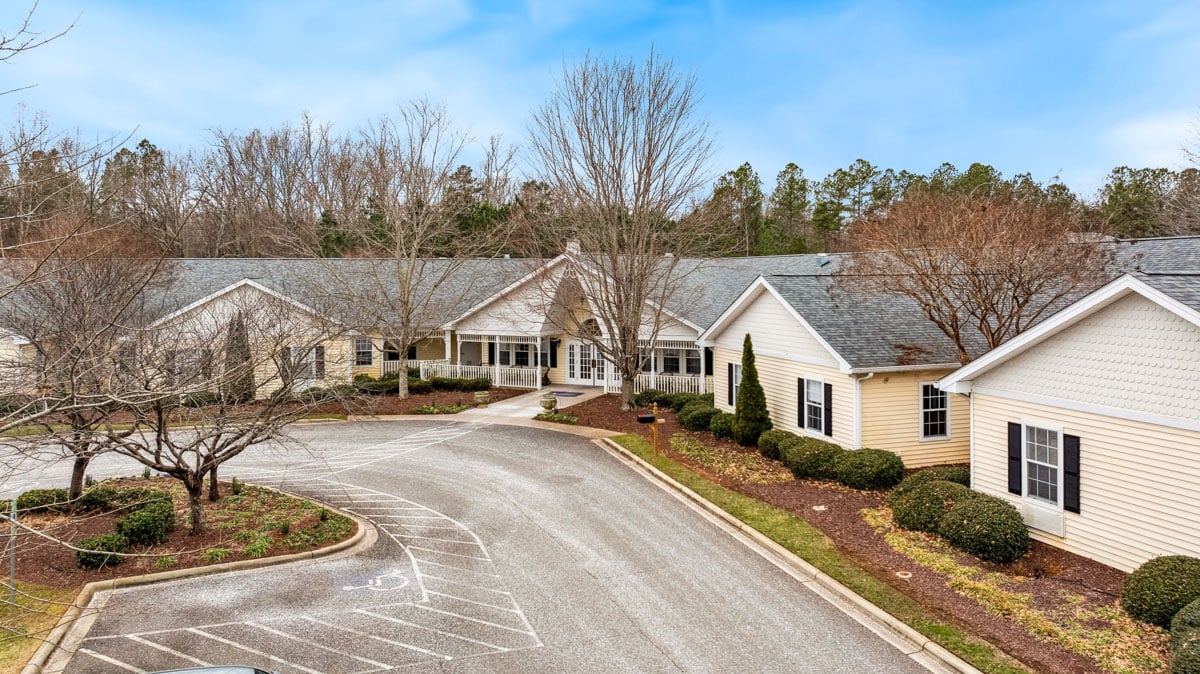
TerraBella Lincolnton offers Assisted Living with support for bathing, dressing, and medication management, along with chef-prepared meals, housekeeping, and scheduled transportation. These services provide an alternative to coordinating multiple providers while maintaining a private residence.
However, community fees are not necessarily lower than aging-in-place expenses. The comparison depends on individual needs, housing costs, and the services included, making it important to review actual estimates before deciding.
Making the Right Choice for Your Family
A useful financial comparison starts with understanding what your loved one needs today and what might change. Along with reviewing expenses, consider how the current living arrangement affects their comfort, daily routines, and opportunities for social connection.
Questions worth discussing include:
- Can the home's layout accommodate mobility changes without extensive renovations?
- How much assistance is currently needed, and who provides it?
- Are family members available for transportation, household responsibilities, and unexpected situations?
- Does your loved one have regular opportunities for social interaction?
- Can the household budget accommodate future support expenses?
It also helps to compare actual estimates rather than relying on national averages. Families exploring TerraBella Lincolnton can review available floor plans and pricing and request information about monthly fees and services.
Comparing those details with contractor estimates and projected home expenses provides a clearer financial picture. It also gives families an opportunity to discuss which arrangement best matches their loved one's preferences and support needs.
Finding the Path Forward
Deciding whether to renovate or move involves personal preferences as much as financial planning. For someone who needs only minor adjustments and occasional assistance, aging in place may be practical. When daily responsibilities become difficult to manage, community living may offer a more convenient arrangement.
The right investment supports your loved one's comfort, preferences, and changing needs without overlooking long-term affordability.
Schedule a tour of TerraBella Lincolnton to explore Assisted Living, meet team members, and discuss how the community's services compare with supporting your loved one at home.