.png?width=1958&height=562&name=TerraBella%20Lincolnton-Horizontal%20(1).png)
Anxiety in later life is common, and B vitamins for anxiety are often discussed as a nutritional way to support emotional balance and calm. These vitamins help the nervous system function properly and play a role in mood regulation, especially as the body ages and absorbs nutrients differently.
Many older adults experience changes in routine, health, or social connection. These shifts can quietly affect stress levels and emotional comfort. Families in Lincolnton, NC, often start looking at nutrition as a gentle, everyday way to support emotional wellness alongside lifestyle and environment.
This guide explains how B vitamins connect to mood, what signs may point to low intake, and how food, supplements, and supportive senior living routines work together to promote emotional well-being.
Why Anxiety Can Increase With Age
Anxiety can become more noticeable as people grow older due to physical, emotional, and lifestyle changes. Retirement, health adjustments, or reduced social interaction can all contribute to feelings of unease or worry.
Aging and anxiety are often connected to changes in routine. When days feel less structured, stress can build more easily. Small worries may feel larger without regular social contact or predictable habits.
Senior stress support works best when daily life feels steady. Nutrition, sleep, and meaningful engagement all play a role. While anxiety is not a normal or required part of aging, it is common enough that families should feel comfortable exploring supportive, non-invasive options that promote calm and confidence.
How B Vitamins for Anxiety Support Brain and Mood Health
B vitamins support the nervous system and help the brain manage stress signals. They assist with energy production and the creation of neurotransmitters that influence mood.
Several B vitamins work together, often called B-complex benefits. These nutrients help the body process stress and support emotional balance. Nutrition and mood are closely linked, especially in older adults whose bodies may absorb vitamins less efficiently.
When intake is low, the nervous system may struggle to regulate emotional responses. Adequate levels help support steadier energy and emotional resilience, which can make daily challenges feel more manageable.
Signs Seniors May Not Be Getting Enough B Vitamins
Low intake of B vitamins does not always show clear symptoms at first. Changes can appear gradually and may be mistaken for normal aging.
Common signs can include mental fatigue, low energy, or increased irritability. Some seniors notice mood shifts or trouble staying focused, which ties back to nutrition and mood balance.
Appetite changes or difficulty maintaining regular meals can also affect vitamin intake. Over time, these small gaps may contribute to emotional strain. Paying attention to diet and routine can help families spot concerns early and support healthier emotional patterns.
Natural Food Sources That Support Emotional Wellness
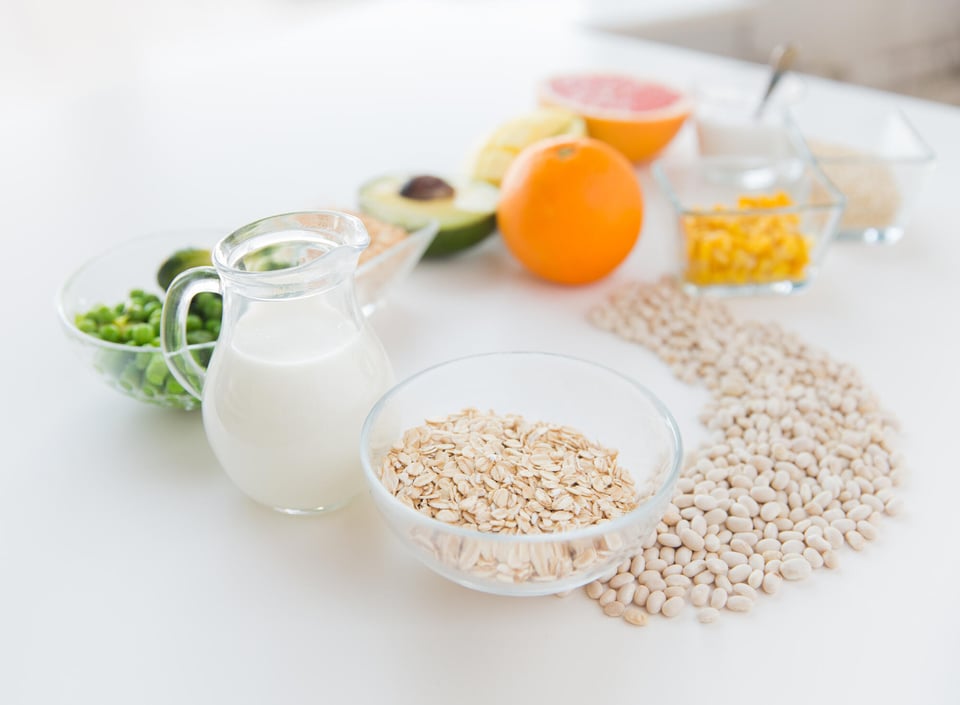
A balanced diet remains the best way to support emotional health. Many everyday foods naturally contain B vitamins and support consistent nutrition.
Before focusing on supplements, families should look at daily meals. Regular dining routines help the body use nutrients more effectively and support emotional steadiness.
Foods commonly rich in B vitamins include:
- Lean meats
- Eggs
- Whole grains
- Leafy greens
- Beans and legumes
Chef-prepared meals and shared dining can make it easier for seniors to maintain consistent nutrition and support emotional wellness through routine and enjoyment.
Supplements and Safety Considerations for Seniors
Calming supplements that include B vitamins are sometimes used when dietary intake is limited. These can be helpful, but safety matters.
Not every senior needs supplements. Overuse or combining products without guidance can cause unwanted effects. Families should focus on balanced intake rather than high doses.
Supplements may be considered when appetite is reduced or absorption changes with age. When used thoughtfully, they can support nutrition and mood without replacing healthy meals or daily routines.
Supporting Emotional Wellness in Senior Living Communities
Nutrition works best when paired with structure and connection. Senior living communities provide daily routines that help emotional wellness feel more natural and consistent.
In senior living, families often look for environments that support calm, engagement, and routine. Communities offering assisted living in Lincolnton focus on daily structure and supportive care.
At TerraBella Lincolnton, residents benefit from maintenance-free living, chef-prepared meals, and engaging social programs. Personalized care and memory care Lincolnton options allow residents to receive the right level of support while staying socially connected and emotionally supported.
Frequently Asked Questions
Can B Vitamins Help Reduce Anxiety?
B vitamins support nervous system function and help regulate stress-related brain activity. They do not treat anxiety on their own, but adequate intake can support emotional balance. Seniors often benefit most when nutrition is combined with routine, social interaction, and a supportive living environment rather than relying on vitamins alone.
Which B Vitamin Is Best for Anxiety?
Several B vitamins contribute to emotional health, including B6, B12, and folate. These nutrients work together to support neurotransmitter production. This is why B-complex options are often discussed. Balanced intake matters more than focusing on a single vitamin.
Do Seniors Need More B Vitamins as They Age?
As people age, their bodies may absorb certain vitamins less efficiently. This means seniors may need to be more intentional about intake through food or supplements (as directed by their doctors). Regular meals and predictable routines help maintain steady levels and support emotional wellbeing.
Are B-Complex Supplements Safe for Seniors?
B-complex supplements are generally considered safe when used appropriately. However, seniors should avoid stacking multiple products or taking high doses without guidance. Food-first approaches and moderation help reduce risks and support long-term wellness.
How Does Nutrition Affect Mood in Older Adults?
Nutrition directly influences brain chemistry and energy levels. Irregular meals or nutrient gaps can contribute to irritability or low mood. Consistent, balanced eating supports emotional stability, especially when paired with daily structure and social engagement.
How B Vitamins for Anxiety Fit Into Supportive Senior Living
Supporting emotional wellness takes more than one solution. B vitamins for anxiety can play a helpful role, but they work best alongside steady routines, balanced meals, and meaningful connections.
At TerraBella Lincolnton, residents enjoy chef-prepared dining, engaging programs, and personalized support within a welcoming community. These elements work together to support emotional balance and everyday confidence.
Families exploring senior living options are encouraged to learn more about how TerraBella Lincolnton supports well-being through nutrition, routine, and connection. Visit the contact page to start a conversation and explore next steps.